
%20Stem%20Cell%20Technology%20&%20Regenerative%20Biology.jpg)

Dr. S Jyothi Prasanna
Professor and Dean
Her areas of expertise lie in immunology, hepatobiology, and stem cell biology.


2 Years (4 semesters)

Postgraduate

Full Time

15 March 2026
15 March 2026
The M.Sc by Research in Translational Neuroscience is a pioneering programme that educates students about neuroscience fundamentals and its clinical applications. Under the translational neuroscience programme, students will receive high-quality training to understand the causes of neurological and psychiatric disorders. This field aims to address the gap between basic science and healthcare by developing therapies such as deep brain stimulation and neurorehabilitation.
The M.Sc Translational Neuroscience programme aims to equip students with the skills to embark on a promising career in the field. This programme focuses on several aspects of the study of translational neuroscience, including:
Equipping students with in-depth knowledge of neuroscience and its clinical applications. It covers concepts such as bioethics, animal ethics, recombinant DNA technology, genetic engineering, and others.
Providing hands-on training in molecular and neuroscience techniques. Students will be working on neuroscience projects under this programme, thus leading to conference presentations and publications in national or international journals.
Fostering research skills aimed at developing novel diagnostics and treatments for neurological disorders, made possible with state-of-the-art technology and top-notch infrastructure available on campus.
A post-graduate neuroscience programme offers diverse opportunities to students in multiple fields. Graduates can pursue careers in different fields according to their preferences and expertise.
There are various job roles students can pursue after completing this programme. These include:
Neuroscience Research Scientist
Clinical Research Coordinator
Biomedical Scientist
Neuropsychologist
Neuroimaging Specialist
Cognitive Neuroscientist
Here is a list of industries and sectors that hire neuroscience graduates.
Pharmaceutical and Biotechnology Companies
Academic and Clinical Research Institutions
Healthcare Organisations
Government and Private Research Labs
Medical Device Companies
Neurotechnology Startups
Public Health Organisations
After completing the neuroscience research programme, students can explore further education opportunities such as PhD programmes in Neuroscience or related fields. These research-intensive degrees allow specialisation in areas like cognitive neuroscience or neurophysiology. Students can also opt for specialised certifications in neuroimaging, clinical neuroscience, or neurophysiology for focused training.
The first semester includes theory and practical sessions, covering subjects such as cell biology, molecular biology, biochemistry, neuroscience, central nervous system (CNS) diseases, stem cell applications, and tissue engineering. It introduces students to the core areas of translational neuroscience through both theory and hands-on practice.
This semester covers advanced topics in neuroscience. Along with the theoretical aspects of translational neuroscience, students will get practical exposure to research methodologies.
During the last two semesters, students work on major research-based projects in neuroscience under faculty guidance. These projects help them present at conferences and publish in national and international journals. This experience also strengthens their communication and social skills.
To enrol in the M.Sc by Research in Translational Neuroscience programme, students must:
Hold a Bachelor's degree in Allied Health Sciences, M.B.B.S., BDS, B.Pharm, B.E. or B.Tech (Biotechnology), or B.Sc with at least one subject in the biological sciences from a recognised university.
Have secured a minimum of 55% aggregate marks or an equivalent grade.
Students can apply for the M.Sc by Research in Translational Neuroscience course at the Manipal Institute of Regenerative Medicine (MIRM), Bengaluru, by following these steps:
For Indian students:
Apply online through the official website
Submit the required eligibility documents
Attend the Personal Interview (PI)
A merit list will be prepared based on academic performance and PI
Shortlisted candidates will receive a provisional admission notice
Complete the admission formalities, including document submission and fee payment
For international students:
Apply online and upload the necessary eligibility documents
If eligible, an admission notice will be issued
Pay the course fees to receive the provisional admission order
Submit final academic results
The final admission order will be issued once all steps are complete. The last date to apply for the programme is March 31st, 2025
Professor and Dean
Her areas of expertise lie in immunology, hepatobiology, and stem cell biology.
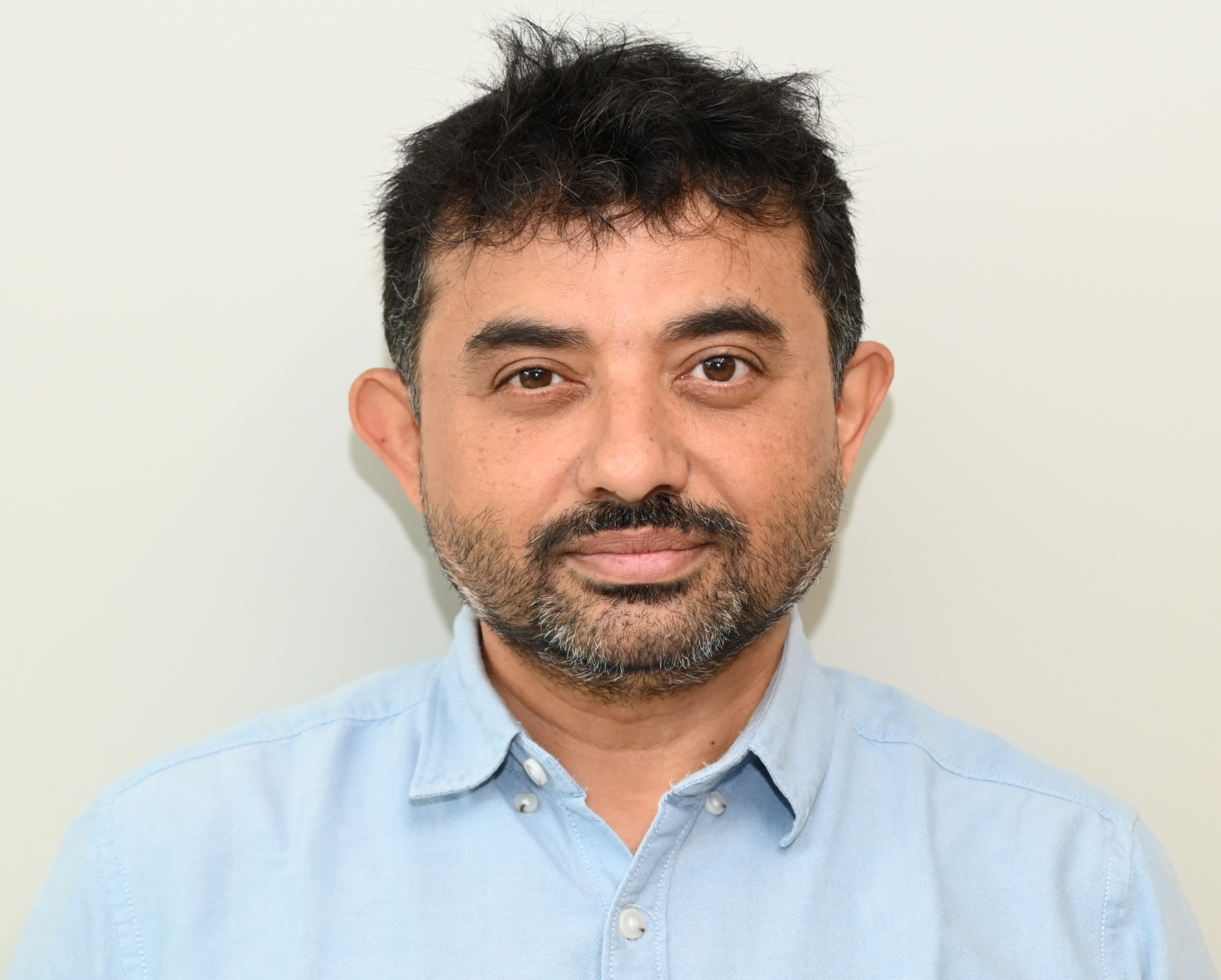
Associate professor
His areas of expertise involve induced pluripotent stem cells, cellular physiology, reprogramming, and disease modelling.

Associate professor
Has a PhD in Neurophysiology. Expertise in stem cell therapies for temporal lobe epilepsy, Parkinson’s and Alzheimer’s.

Assistant Professor (Research)
She is focusing on understanding how toxic organelles like mitochondria and lysosomes are directly transferred between cells and how this contributes to neurological diseases.

Assistant Professor
Her expertise is in tissue engineering, neural regeneration, and stem cell therapy.
MIRM possesses state-of-the-art laboratories equipped for molecular biology, cell culture, and advanced imaging techniques. Access to all these advanced resources will enable students to conduct innovative experiments and contribute to neuroscience research.
Students are encouraged to actively participate in ongoing research projects. They also have opportunities to present their findings from research at conferences at both national and international levels, and publish them in scientific journals.
The M.Sc by Research in Translational Neuroscience offered by the Manipal Institute of Regenerative Medicine promises a dynamic student life with access to diverse resources, beautiful infrastructure, and the best laboratories with updated technologies and equipment.
The campus provides students with access to state-of-the-art laboratories with advanced technology and types of equipment for conducting experiments in neuroscience. With access to comprehensive libraries, students can read and utilise extensive collections of scientific literature, journals and research databases. Moreover, students can engage in innovative research and enhance their learning experience with the help of the campus’ computational resources that support data analysis and modelling.
There are several neuroscience clubs and student-led societies that promote academic and professional development. Students can become a part of these societies and clubs to explore the field of neuroscience further through various activities. Students can learn the art of leadership and working in a group dynamic through participation in these societies.
The department organised several workshops and seminars for students, inviting national and international guests. These seminars aim to provide students with real-world practical knowledge from experts.