

Overview
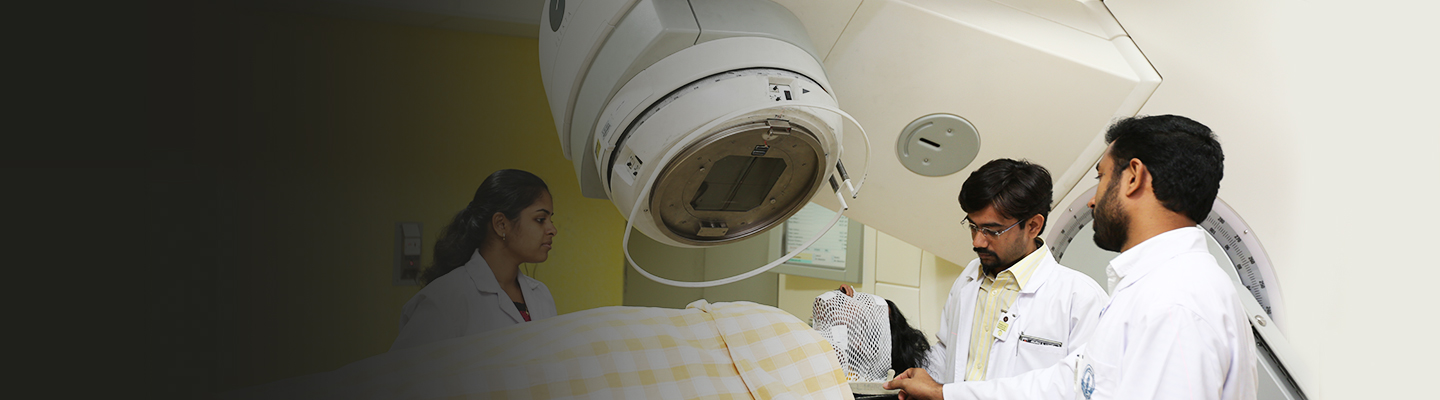
MCHP offers two-year PG program M.Sc. in Nuclear Medicine Technology. The program follows Outcome Based Education (OBE) based syllabus with choice-based electives and is recognised by Atomic Energy Regulatory Board (AERB), Mumbai. Nuclear Medicine Technology is constantly evolving and has a rewarding career in health care services and industries. In addition to diagnostic and therapeutic work, personnel are frequently involved in clinical trial works, quality assurance. Currently, the employment in this field is 100% and opportunities are growing at a rapid pace due to technological advancements in Nuclear Medicine.
Program Highlights
· Manipal Academy of Higher Education is the first private sector to start MSc NMT program
· This course includes 1 year research dissertation
· The students are motivated to participate in research activities and present papers in national and international conferences
· Course recognized by Atomic Energy Regulatory Board (AERB), Mumbai
Teaching Methodology
Lectures, on-site trainings, seminars, Journal clubs, digital pedagogy and problem-based learning.
Assessment
The program is spread over two years.
· One mid sessional followed by the university examination in an academic year
· Written and practical examinations.
· Pass with minimum 50% marks per paper
· Minimum 90% attendance required to appear for university examination
Duration
2 years (4 semesters)
Career Paths
Upon completion of the program, a number of career paths opens to you as a Nuclear Medicine Professional in hospital, industrial, academic or research sectors like:
· Nuclear Medicine Technologist/Physicist
· Molecular Imaging Application specialist in Industry
· Radiation safety officer, after clearing RSO examination conducted by AERB
· Scientific officer and Research fellow
· Higher education in the same/similar discipline.
Key Dates & Deadlines
30
Apr 30 26
Apr ' 26
Last date to Apply
'
Tentative Course Commencement Date
Indian Students Apply
Manipal Academy of Higher Education not only caters to one’s academic needs, but also lays emphasis on all-round development of its students.
International Students Apply
Manipal Academy of Higher Education not only caters to one’s academic needs, but also lays emphasis on all-round development of its students.
Indian Students Apply
Manipal Academy of Higher Education not only caters to one’s academic needs, but also lays emphasis on all-round development of its students.
International Students Apply
Manipal Academy of Higher Education not only caters to one’s academic needs, but also lays emphasis on all-round development of its students.


Facilties
Healthcare
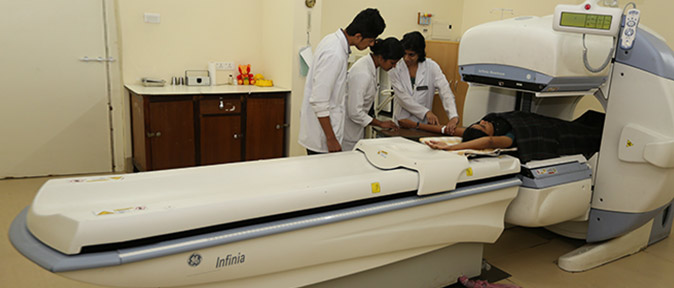
Access to hospital facilities gives student hands-on training in Nuclear Medicine procedures

Sports & Fitness
Marena is the world-class facilities with courts for badminton, tennis, soccer & squash as well as a well-equipped gymnasium
Labs
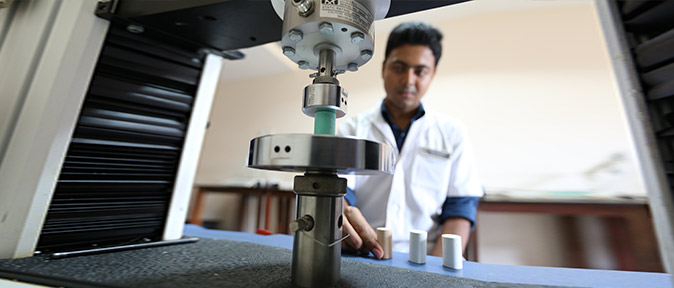
Laboratories give students the opportunity for practical experience

Libraries
Libraries have publications on the latest developments in allied healthcare
Frequently asked questions
The M.Sc. Nuclear Medicine Technology syllabus at the Manipal College of Health Professions (MCHP) includes subjects such as Biostatistics, Physics and Dosimetry in Nuclear Medicine, Radiopharmacy, Radiation Safety, PET and Therapeutic Radiopharmaceuticals, Imaging Physics, Computers in Nuclear Medicine, Research Methodology, and Health Information Management in Nuclear Medicine. The program also includes Clinical Practices and Research Projects.
The admission process for an M.Sc. in Nuclear Medicine Technology in 2026 involves filling out the online application form through the Manipal Academy of Higher Education (MAHE) admissions portal. Candidates need to provide their academic details and upload the required documents. They have to subsequently appear for the Manipal Entrance Test (MET). Admissions are granted through a merit list based on MET scores, followed by physical or online counselling, verification of documents, and completion of fee formalities.
The M.Sc. Nuclear Medicine Technology eligibility criteria at Manipal College of Health Professions require candidates to have a B.Sc. degree in Nuclear Medicine Technology, or in Medical Imaging Technology, or in Medical Laboratory Technology, or in Medical Radiation Technology, or an equivalent allied health science discipline from a recognised university with minimum 50% aggregate marks.
Nuclear Medicine Technology is an evolving field and there are a wide variety of jobs after completing an M.Sc. in Nuclear Medicine Technology course. Postgraduates can work as Nuclear Medicine Technologists or Clinical Scientists in hospitals and diagnostic centres, while opportunities in industry include roles such as Molecular Imaging Application Specialist. Professionals can also pursue careers as Radiation Safety Officers after clearing the AERB RSO examination, or work as Scientific Officers in research and clinical trial settings. This field also offers pathways for higher education and specialisation in related disciplines.
Yes, admission to an M.Sc. in Nuclear Medicine Technology course at MCHP under MAHE requires candidates to appear for an M.Sc. Nuclear Medicine entrance exam, namely the Manipal Entrance Test (MET) conducted by the university. Admission is subject to fulfilment of eligibility requirements and MET performance.
The course fee for an M.Sc. in Nuclear Medicine Technology at Manipal College of Health Professions, MAHE, is a total of ₹6,32,000 for 2 years, covering tuition and other academic fees. This includes a refundable caution deposit of ₹10,000. Hostel charges are separate and depend on the accommodation type and facilities selected on the Manipal campus.
Next Steps
Get the perfect start to your dream career by joining the Institution of Eminence